

ADVERTISEMENT
Did you know that nearly 42% of travelers feel nervous before flying? This statistic shows why having a morning flight routine is key. A good routine in the morning can help calm those nerves, making travel stress-free. By preparing the night before, you set a positive tone for your journey. This way, you’re all set for the fun ahead.
Wondering how to create a great morning routine for flying? Let’s look at the best tips and tricks. They’ll make your mornings smoother and your travels more fun.
Key Takeaways
- A morning routine can lessen the stress before flying.
- It’s important to plan ahead for a carefree trip.
- Making small changes can make traveling peaceful.
- Getting enough sleep and being organized cuts down morning stress.
- Managing your time well ensures a smooth takeoff.
- Drinking water and eating well boosts your mood for traveling.
Why a Morning Flight Routine Matters
Starting your day well before a flight makes the whole experience more peaceful. Planning ahead can greatly lower stress and worry. It lets travelers feel the joy of their trip, not the stress of what might go wrong.
Benefits of Starting Your Trip Calmly
Starting off calm can make your whole trip better. Following a checklist in the morning helps avoid surprises. This prep helps with:
- Improved focus: A calm start helps ensure nothing is forgotten.
- Better time management: A good plan means getting to the airport on time.
- Enhanced overall experience: Peace of mind makes the trip much nicer.
Common Morning Flight Scenarios
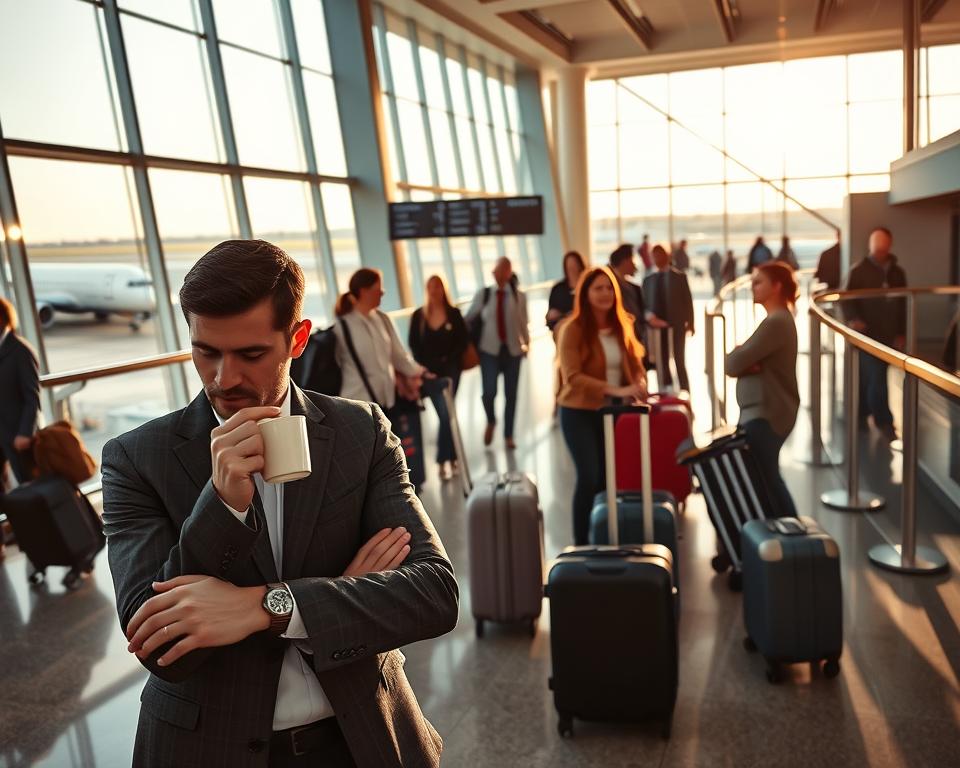
Morning time can get crazy, especially when flying. Travelers might face:
- Oversleeping or alarms not working, meaning packing in a rush.
- Getting stuck in traffic on the way to the airport.
- Flight changes at the last minute messing up plans.
A morning flight routine can turn those problems into something you can handle.
How Routines Can Reduce Anxiety
A morning routine really helps cut down on stress. Doing familiar things gives you control over flying. With good prep, one can:
- Feel more confident about the day.
- Handle problems before they happen.
- Really enjoy their travel, not worry about it.
Essential Items to Prepare the Night Before
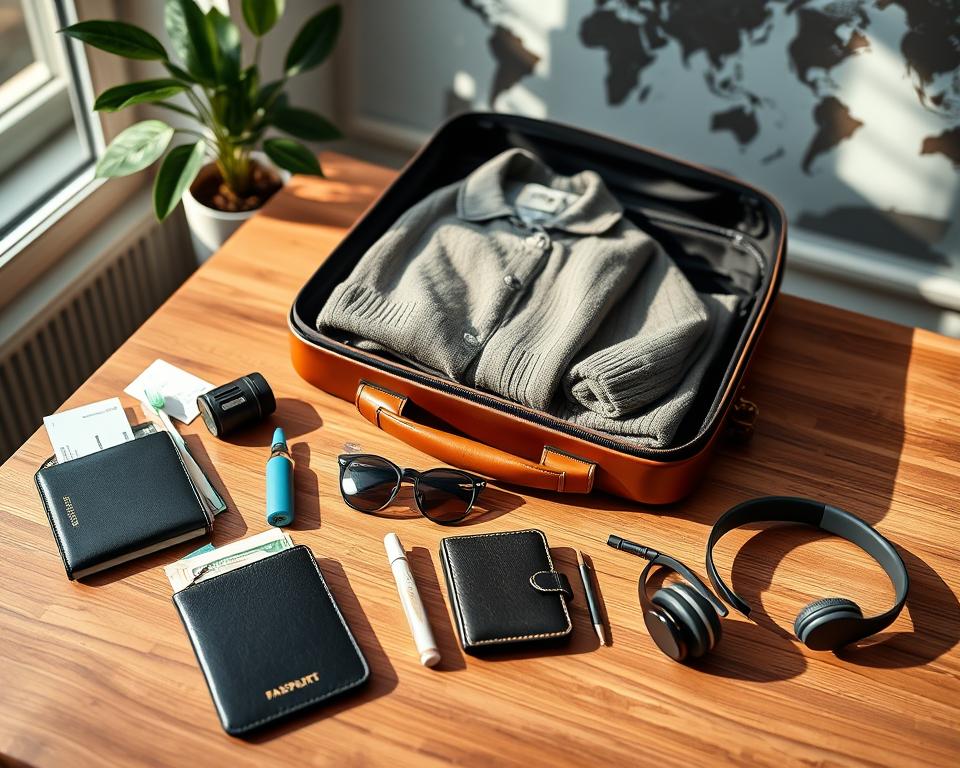
Getting ready for the next morning’s flight can feel rushed. Preparing the night before makes it easier. Here’s what to focus on to make your airport time smooth:
Packing Your Carry-On
For your carry-on, think about what you really need. Include things like small toiletries, something to read or watch, and snacks. Keeping it simple helps with baggage rules:
- Travel-sized toiletries
- Comfortable neck pillow
- Chargers for all devices
- Light jacket or sweater
- Any travel medicine
Setting Up Travel Documents
Make sure your travel papers are ready and easy to find. Have your boarding pass, ID, and visas ready. A special wallet for travel documents can make airport security faster and less stressful:
- Boarding pass
- Government-issued ID
- Travel insurance info
Choosing Your Outfit
Choosing clothes that are comfy and good for flying can make your trip better. Layers are smart for changing temperatures. Pick clothes that breathe and stretch for a relaxed flight:
- Comfy pants or leggings
- Lightweight top or t-shirt
- A cardigan or light jacket for layering
- Shoes you can walk in comfortably
Waking Up on the Right Side of the Bed
Starting your day right improves your travel. Prep for morning flights starts the night before. Yet, waking up feeling refreshed is key. Set your alarm and create good morning habits for a great travel day.
Setting an Alarm for Success
Choosing the best alarm can make waking up easier. Use a phone or clock with several alarms to wake up on time. Set them 10-15 minutes apart for gentle wake-up calls. This helps prevent oversleeping. Put the alarm far from your bed to make you get up. This trick helps create better morning routines.
Tips for a Restful Night’s Sleep
To wake up ready, sleep well the night before. Try adjusting your sleep space. Make sure your room is dark and quiet for better sleep. Start a calm routine before bed to relax. Reading, meditating, or drinking herbal tea helps you unwind. These steps improve how you feel on travel days.
Morning Rituals to Boost Your Energy
Start your day with a good morning routine to get more energy before you fly. Adding simple habits to your morning can wake you up and make your trip better. Try these tips to feel more awake.
Hydration is Key
Drinking water is essential for keeping your energy up, especially before flying. It fights tiredness and keeps you working well. Drink a glass of water right after you wake up to feel refreshed and ready for the day.
Quick Breakfast Options
Eating a good breakfast gives you energy and stops you from getting too hungry when you travel. Choose breakfasts that are fast and simple to make. Think about these options:
- Greek yogurt with fresh fruits
- Oatmeal topped with nuts and honey
- Whole grain toast with avocado
- A smoothie packed with greens and protein
These foods are perfect for any morning routine. They give you the nutrients you need to start your day right.
Incorporating Light Exercise
Light exercises, like stretching or a quick walk, can really boost your energy. They get your blood flowing, make you happy, and calm you down before traveling. Just ten minutes of moving can greatly help you feel better. Add this to your morning routine to face your flight feeling positive and energized.
Time Management for a Stress-Free Departure
Managing your time well is key for a stress-free trip. Starting your day early helps set the tone for a smooth departure. Having a detailed travel plan can ease the stress of leaving. It should include check-in times and how you’ll get to the airport, so you know you’ll be there on time.
Creating a Travel Schedule
Start planning the night before your flight. Think about your wake-up time, morning activities, and last-minute tasks. Your schedule should have the following steps:
- Identify your flight check-in time.
- Estimate how long it will take to get to the airport.
- Account for time spent checking bags and security screening.
- Consider potential delays, like traffic or weather.
Importance of Buffer Time
Having extra buffer time is essential. It gives you an extra 30 minutes for anything unexpected. This flexibility can lessen stress and make your morning easier. You’ll be glad for this extra time when surprises happen. It makes your travel truly stress-free.
Getting to the Airport
Choosing the right way to get to the airport is key for a good travel start. Knowing your options and planning can make your morning airport routine smooth.
Transportation Options
There are several methods to get to the airport. Each has its advantages and drawbacks. Let’s look at them:
- Public Transit: Buses and trains are wallet-friendly, especially in cities. Always check their schedules beforehand.
- Taxi or Rideshare: Uber and Lyft offer direct rides but cost more than public transit. However, they save time.
- Personal Vehicle: Driving yourself means more flexibility, ideal if you’re carrying a lot of bags. Check parking costs ahead.
Factors to Consider for Timing
When it comes to getting there on time, think about:
- Distance: The more distant you live from the airport, the earlier you should leave. This accounts for possible hold-ups.
- Flight Departure Time: Plan to arrive at least two hours before domestic flights and three for international ones.
- Time of Day: Morning or nighttime flights may face less traffic, so you could get there faster.
Navigating Traffic
Traffic can change based on the time and local happenings. Keep an eye on live traffic info before heading out. Try to dodge the rush hours and have a backup route ready. With good planning, you can lower stress and enjoy a calm ride to the airport.
Check-In Hacks
Getting good at the airport check-in can really change your morning flight routine for the better. It cuts down stress and saves you time. Here’s some advice to make checking in smoother.
Online Check-In Benefits
Checking in online has many perks. It lets you avoid airport lines right from your home. You can get your boarding pass early, making things faster at the airport. Also, you can pick the seat you like to make your journey more comfortable. Online check-in is key for a stress-free morning flight.
Choosing the Right Airport Terminal
Knowing which terminal to go to can make your journey smoother. Some terminals are better because they have quicker boarding and are close to things like food and security checks. If your airline uses a specific terminal, knowing this can save you a lot of trouble. This is extra important at big airports to avoid getting lost.
Security Screening Tips
Going through airport security can seem tough. But knowing what to do makes it easier. Get ready before you go, and add security tips to your morning list. This way, you’ll move through security quickly and with less worry.
What to Expect at Security
At the security line, have your boarding pass and ID ready. You’ll need to take off your shoes, belts, and jackets. Put your electronics and liquids in different bins. Be prepared for the metal detector or body scanner. Knowing what comes next helps avoid delays.
Common Mistakes to Avoid
Packing too much in your carry-on can slow you down. Sometimes, people pack things they shouldn’t, like too much liquid or sharp objects. To keep things smooth, double-check your bag against TSA rules before leaving. This makes sure there are no surprises.
Fast-Tracking Your Experience
If you fly a lot, joining TSA PreCheck makes things faster. You won’t wait in long lines or need to remove shoes and jackets. Also, try getting to the airport early. It gives you more time at security and makes your day less stressful.
Arriving at the Gate
Arriving at the gate fills you with excitement. It’s the next step in your travel adventure. By understanding boarding groups, things go smoothly. Everyone finds their seat easier this way. Also, keeping track of your flight is key. It helps you dodge any last-minute changes or delays.
Understanding Boarding Groups
Airlines sort passengers into different groups for boarding. This method keeps boarding organized. Usually, first-class flyers go first. Then, elite members and economy passengers follow. Knowing your group and being ready is smart. It makes your morning at the airport go well.
Staying Updated on Flight Status
Using airline apps or text alerts keeps you in the loop. It lets you know if your flight is on schedule or not. This can lower your stress. Being informed means you can use your time better. Maybe grab a snack or call family before you fly.
Settling In for Your Flight
After checking in and passing through security, it’s time to board the plane. Making yourself comfortable is key for a great flight. Bring a travel pillow and a blanket to feel cozy.
Adjust your seat and use the footrest if there is one. This will help your legs feel better during the flight.
Keeping busy is important, especially on long flights. Bring a book, download a podcast, or load your device with movies. Having different things to do makes time fly and helps you relax.
It’s good to have options to stay entertained. This can also distract you from any flight anxiety.
Using mindfulness can improve your flight. Try deep breathing in your seat to focus and calm down. Stretch a little to ease stress.
These actions boost comfort and make the trip seem shorter.