

ADVERTISEMENT
In 2022, over 5 billion pieces of luggage were handled worldwide by airports. This huge number shows how important it is for travelers to choose their luggage wisely. In this guide, we’ll give you packing tips for traveling abroad and tell you about smart luggage choices that can make your trip easier.
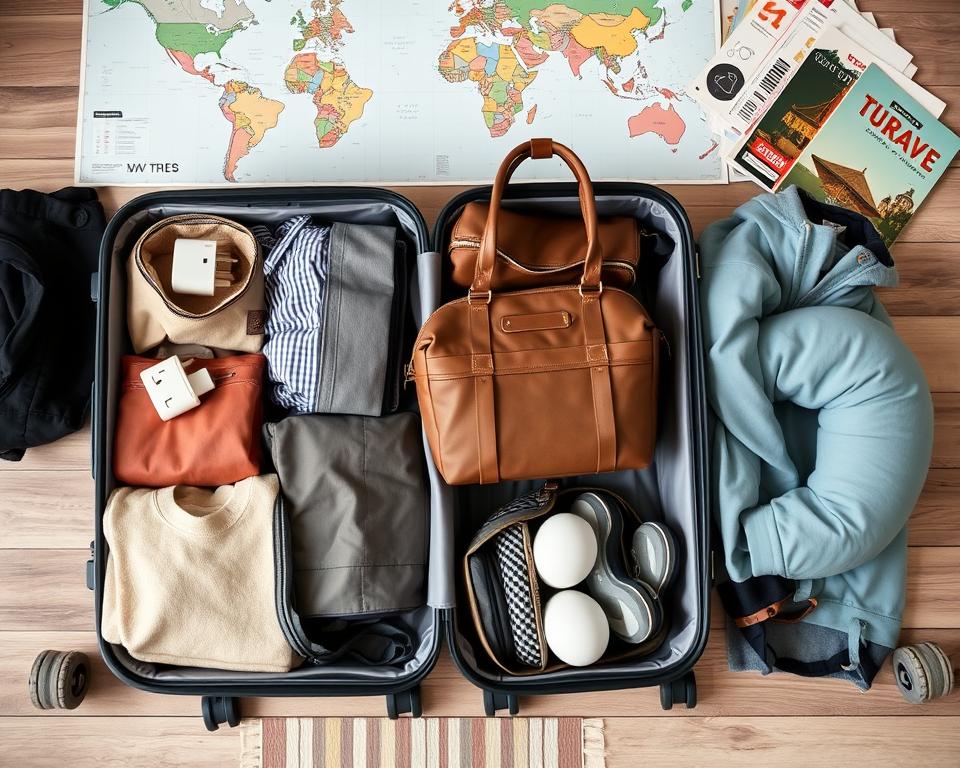
Traveling overseas is better when you pack smartly. Knowing what you really need and choosing the right luggage can save you from overpacking and extra fees. We’ll go through picking the best luggage to last-minute packing tips. Our goal is to make your journey smooth and fun.
Key Takeaways
- Understanding your luggage options is vital for efficient packing.
- A packing plan can save time and reduce travel stress.
- The right luggage can minimize potential baggage fees.
- Packing light increases mobility during travels.
- Knowing regulations can prevent last-minute hassles.
Why Packing Smart Matters for International Travel
Traveling internationally can be both exciting and challenging. Planning what to pack is key to enjoying your trip more. It helps you move smoothly, lowering stress, and gives you peace of mind exploring.
The Importance of a Packing Plan
Having a packing plan is crucial when traveling internationally. Without one, it’s easy to forget important stuff or pack too much. This can lead to heavy luggage and extra charges. A well-thought-out packing list, considering your journey’s details, makes packing easier.
Benefits of Smart Packing
Smart packing has many benefits. It makes check-ins quicker and helps avoid fees for heavy bags. It also means having what you need within reach, making your trip smoother. Those who pack wisely tend to be happier and more relaxed during their travels.
How Packing Affects Your Travel Experience
Packing right can change your whole trip. Tidy luggage makes getting through the airport and your daily adventures easier. Lighter bags let you explore more freely, making your trip enjoyable, not a hassle.
Choosing the Right Luggage for Your Trip
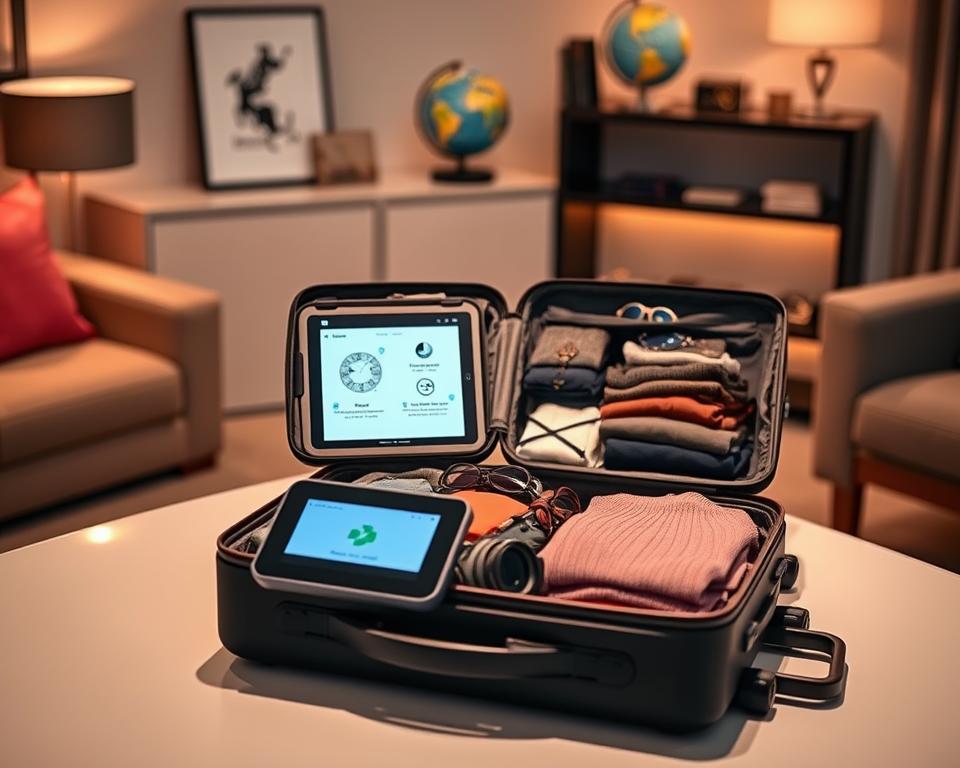
Picking the right luggage is key for easy travel. There are many choices for travelers. Knowing the good and bad points of each luggage type makes choosing easier. Each type meets different travel needs and affects how easily you can move around.
Types of Luggage: Pros and Cons
Travelers often pick from hard-shell, soft-sided, or duffel bags. Each kind has its own good and bad points.
| Luggage Type | Pros | Cons |
|---|---|---|
| Hard-shell | Durable, weather-resistant | Heavier, less flexible space |
| Soft-sided | Lightweight, expandable | Less protection from impact |
| Duffel Bags | Versatile, easy to carry | Limited structure, less organized |
Size Matters: Carry-On vs. Checked Baggage
It’s important to know the difference between carry-on and checked baggage. Carry-on bags are great for moving quickly through airports. They also lower the chance of losing your luggage. But, checked baggage has more room for longer trips or big items.
Features to Consider When Buying
When looking for the best luggage for going abroad, consider a few key features. Think about durability, weight, and ways to organize your stuff. Things like built-in locks, wheels that move in all directions, and being able to expand the bag are very handy. Understanding these features will make your trip better.
Essential Packing Tips for International Journeys
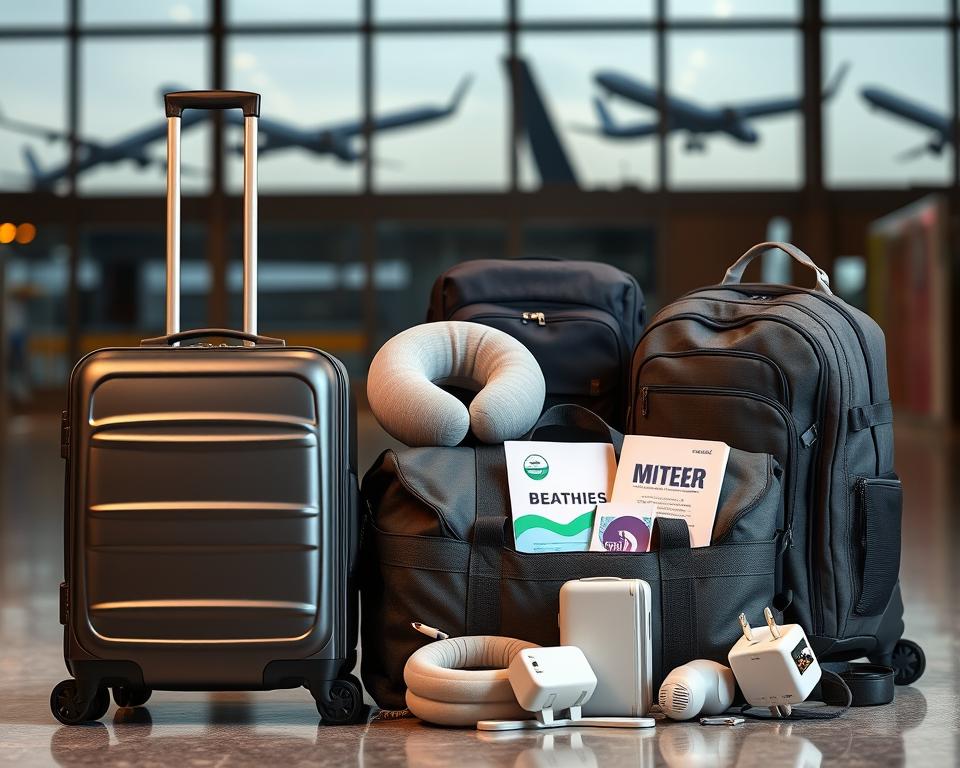
Packing well for international travel changes the whole experience. Using every bit of suitcase space and keeping items handy is key. This section gives tips and hacks to help travelers pack better.
Roll, Fold, or Bundle?
Some people prefer to roll, fold, or bundle clothes. Rolling saves space and cuts down on wrinkles. Folding can keep your suitcase looking neat. Bundling, a mix of both, secures clothes tightly. Try all three to find what works best for you.
Packing Cubes: Worth the Hype?
Packing cubes are very popular now. They sort clothes and accessories, letting you pack similar items together. They keep luggage organized and make packing more efficient. Many travelers find them easy to use and helpful.
Clothing Compression Techniques
To save more space, try clothing compression. Compression bags or vacuum-sealed bags shrink clothes down. This lets you pack more and keeps your suitcase lighter. These techniques make packing simpler.
Understanding International Flight Regulations
Knowing about international flight rules can make your trip better. It’s smart to know the TSA’s packing rules to avoid problems at security checks. This will make your travel smoother. Learning the rules for international customs helps you stay prepared and follow the law during your trip.
TSA Guidelines: What You Can’t Bring
It’s important to know which items you can’t take on flights. TSA rules list items like:
- Sharp objects, including knives and scissors
- Flammable items like lighter fluid
- Sporting equipment that could be used as a weapon
- Certain liquids exceeding 3.4 ounces
Knowing these rules can make your travel smoother. You can visit the TSA website to stay updated on banned items.
Flight Restrictions and Size Limits
Understanding luggage limits for carry-ons and check-ins is key. Airlines have their own rules for weight and size. Here are some common limits by airlines:
| Airline | Carry-On Size Limit | Checked Baggage Size Limit |
|---|---|---|
| American Airlines | 22 x 14 x 9 inches | 62 linear inches, 50 lbs |
| Delta Airlines | 22 x 14 x 9 inches | 62 linear inches, 50 lbs |
| United Airlines | 24 x 10 x 16 inches | 62 linear inches, 50 lbs |
Packing within these limits can save you from extra fees. It also makes getting through the airport easier.
Customs Regulations You Should Know
For international travel, knowing customs rules is a must. Countries have special rules about things like:
- Food products and agricultural items
- Gifts with certain monetary limits
- Personal electronics that may need declaration
- Medications requiring prescriptions
Being familiar with these rules can prevent problems when you arrive. It’s wise to look up the customs rules for your destination before you travel.
Packing for Different Destinations
Traveling to different places means you need to pack smart. A good plan for each place makes travel better. Think about the weather and what you’ll do. Here’s how to pack for different spots.
Tropical Destinations: What to Take
Tropical trips mean light, cool clothes. You’ll need:
- Swimwear for beach outings
- Sunblock to protect against UV rays
- Light cover-ups for sun protection
- Comfortable sandals for walking
- Insect repellent to ward off pesky bugs
Urban Adventures: Gear Essentials
City visits need comfy and handy gear. Make sure to have:
- Comfortable walking shoes for exploring
- Layered clothing for different temperatures
- A lightweight backpack for your stuff
- Portable charger for your gadgets
- Universal travel adapter for your electronics
Cold Weather Packing Strategies
Cold places ask for warmer clothes and gear. Don’t forget:
- Thermal wear to keep warm
- Waterproof jackets to stay dry
- Warm hats and gloves for extra warmth
- Scarves to fight the wind
- Insulated boots for snow
Remember these tips for packing right, wherever you go. Being well-prepared makes your trip more comfortable.
Tech Gear to Pack for International Travel
Picking the right tech gear can make a huge difference on your trip abroad. Items like reliable chargers and ways to stay connected are crucial. This way, you can enjoy your travels more, worry-free.
Must-Have Gadgets for Travelers
Here are some gadgets you should bring:
- Portable Chargers: They keep your devices alive during long tours.
- Universal Plug Converters: Make sure your devices can plug in anywhere.
- Noise-Canceling Headphones: Enjoy tunes on flights or bus rides.
- Smartphone Gimbal: Capture stable videos and photos easier.
- Travel Wi-Fi Hotspots: Stay online without using public Wi-Fi.
How to Keep Your Devices Charged
Charging your devices abroad needs planning. Here’s how to keep them charged:
- Carry Multiple Power Banks: Bring extras for navigation and chatting.
- Keep Cords Accessible: Put wires where you can find them quickly.
- Check Voltage Compatibility: Ensure your electronics match the local voltage.
Avoiding Tech Troubles Abroad
It’s vital to dodge tech problems on your journey. Here are tips:
- Secure Your Gadgets: Use locks or safe bags for your devices.
- Research Local Connectivity: Know the best SIM cards or eSIMs locally.
- Purge Your Devices: Clear unneeded files for better performance.
The Art of Packing a Personal Item
Packing a personal item for travel can really make a difference. A well-organized daypack makes sure you can easily get to what you need. This makes your trip better. Here are some tips on what to include in your personal item.
What to Keep in Your Daypack
Your daypack’s contents should be carefully picked to add to your comfort and ease. Think about including:
- Travel-sized toiletries
- A change of clothes
- Electronic devices
- Important travel documents
Snacks and Entertainment Options
Long flights can be dull and exhausting. Pack some snacks and things to do to stay upbeat. Eat healthy snacks like nuts or granola bars for a boost. And for fun, bring a book or load your device with music and podcasts.
Personal Item Packing Essentials
To keep your daypack organized, use pouches or small bags for different items. This way, everything is easy to find, and you won’t have to rummage through. A neat personal item makes for a more pleasant journey.
Organizing Your Travel Documents
Getting your travel documents in order is key for a smooth trip. Before you go, make sure to gather all necessary papers and store them where you can easily find them. You’ll need things like your passport, visa, travel insurance, and your plan for the trip. A good organization system reduces travel stress a lot.
Important Documents to Have Ready
- Passport
- Visas (if required)
- Travel Insurance Policy
- Itinerary and hotel reservations
- Emergency contact information
Digital vs. Physical Copies: Pros and Cons
Travelers often debate between using digital or physical copies of documents. Digital ones are handy, giving you quick access via your gadgets. Yet, they pose risks if your device gets compromised. On the other hand, physical copies, though more of a hassle to keep track of, don’t depend on technology and offer a safe backup.
Tips for Staying Secure
To keep your travel documents safe, employing a few tactics is helpful. Use a travel wallet or a specific app to organize everything. Backup your documents in a secure cloud service too. These steps will decrease the chance of losing key documents and give you peace of mind while exploring.
Stylish Packing: Looking Good While Traveling
Traveling doesn’t mean you have to give up looking great. You can pack smart and still be stylish. Use versatile clothes to make different looks from a few items. This way, you’re always in style, no matter where you are. Here are tips to pack with fashion in mind.
Versatile Clothing Options
Choose clothes that work in many ways. A denim jacket can look casual or dressy. Pick neutral colors to mix and match easily. Go for fabrics that don’t wrinkle to keep looking sharp.
Packing Accessories for Fashion
Don’t forget accessories to spice up your outfits. Scarves, bold jewelry, or hats can make a simple look stand out. They barely take up space but can change your style game entirely while traveling.
Footwear Choices for Comfort and Style
Footwear is key for both comfort and style. Sneakers are great for walking around, while flats can work for the evening. Choose shoes that fit well with different outfits and you can wear all day without discomfort.
Preventing Overpacking: Tricks and Tips
Stopping overpacking is key for a stress-free travel experience. It helps you carry less and keep things tidy. Using smart packing lists can cut down on extra luggage. Here are some top tips to pack just what you need, without extra stuff.
The 1-2-3 Packing Method
The 1-2-3 packing method is an easy way to organize your stuff. It works by picking a set amount for each type of clothing. Like, one jacket, two pairs of pants, and three shirts. This helps you pack only what you really need and keeps your bag light.
Creating a Packing List
Making a packing list for your trip helps a lot. Your list should only have things you really need, based on how long you’ll be gone and what you’ll do. This stops you from packing stuff you won’t use. Remember to think about why you’re going and the weather there.
How to Assess Your Needs
Figuring out what you truly need is important for light travel. Before you pack something, think if it’s practical and how much you’ll use it. Aim for items that can be used in different ways. This makes packing easier and your trip smoother.
Final Packing Checklist Before You Leave
As you get ready to leave, having a final packing checklist is key. It helps you remember everything for your trip. Check your list again before closing your suitcase to avoid forgetting something important.
Must-Check Items
Make sure you have your passports, visas, and boarding passes ready. Also, pack your medication, device chargers, and clothes suited for your destination. Using a checklist makes sure you remember all these essential items.
Last-Minute Packing Tips
Try packing a day before to avoid rush and mistakes. Reflect on what you’ve packed to leave out unnecessary things. These tips help keep your stress low and your bag organized.
Double-Checking for Essentials
Before you leave, double-check your essentials. Go through your checklist one more time. This step ensures you feel ready and confident for your trip. Packing well makes your travel smoother and more enjoyable.