


About 60% of Americans say they live paycheck to paycheck. This shows why it’s so important to manage money well by keeping track of monthly expenses. By keeping an eye on how you spend your money, you can find where you spend too much. Then, you can figure out how to manage your budget better. You can use apps or a simple spreadsheet to help you watch your spending. This will help you stay in charge of your money.
Key Takeaways
- Monthly expense tracking can significantly help reduce overspending.
- Understanding your spending habits is vital for effective budgeting.
- Using expense tracking software can simplify your financial management.
- Setting realistic financial goals can keep you on track.
- Regular reviews of your expenses can help make necessary adjustments.
Why Monthly Expense Tracking is Essential for Your Budget
Monthly expense tracking is key for budgeting well. It opens your eyes and guides you toward better money choices. With a financial tracker, you can see exactly where your money goes. This reveals spending habits that may cause you to spend too much.
Understanding Your Spending Patterns
To really know your spending, you must be focused. A monthly budget planner lets you see what’s necessary and what’s not. This knowledge helps you be more disciplined with money. As a result, your financial health gets better.
The Benefits of Tracking Expenses
Tracking your expenses brings many good things. One big plus is having more control over your money. By keeping track of spending, people often cut down on what they don’t need. This means more savings for emergencies.
Another upside is less stress about money. When you watch your spending, you make smarter choices. This can lead to a stronger financial situation.
Common Myths About Expense Tracking
Some people have the wrong idea about expense tracking. They think it means they can’t spend freely, so they don’t do it. But, keeping track of money actually helps you see where you can spend smarter. Once people understand this, they’re more likely to use a budget planner. This can change how they handle their finances.
Choosing the Right Tools for Tracking Your Expenses
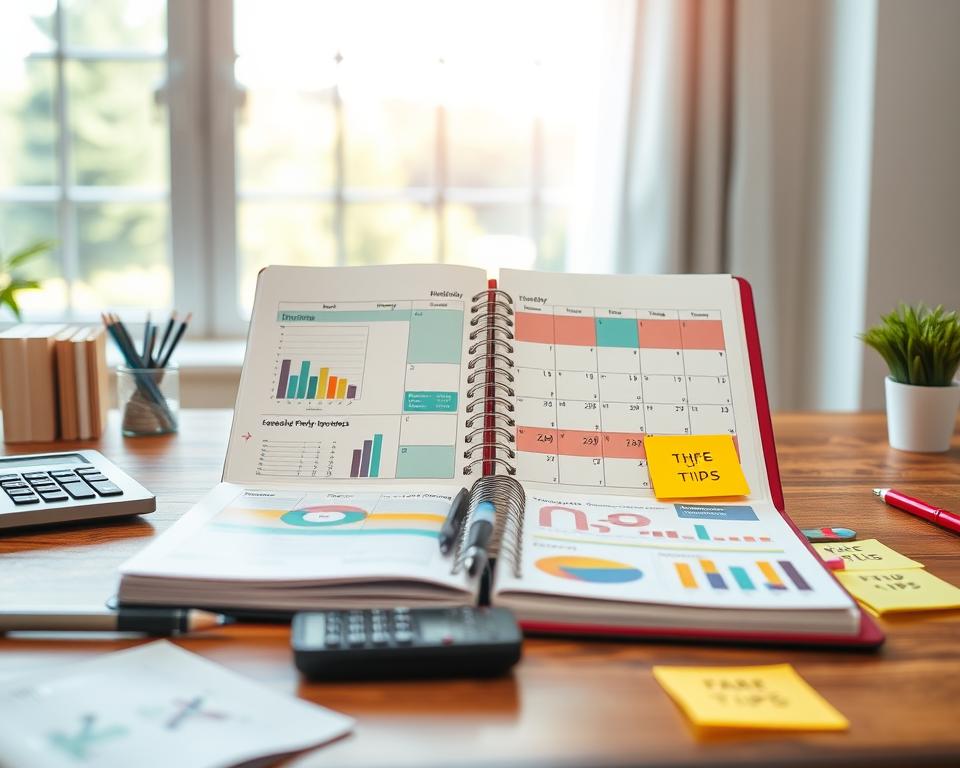
Finding the right tools to track your spending can really help manage your money. You can choose between apps on your phone or traditional spreadsheets. Both have benefits depending on how you like to manage your money. It’s important to think about what you need before picking one.
Apps vs. Spreadsheets: Which Works Best?
When picking between an app and a spreadsheet for tracking expenses, think about this:
| Feature | Expense Tracking App | Expense Tracking Spreadsheet |
|---|---|---|
| User-Friendliness | Intuitive interface for quick input | Can be customized but may have a learning curve |
| Automation | Syncs automatically with bank accounts | Requires manual updates |
| Analytics | Generates visual reports and insights | Must be created and analyzed manually |
| Accessibility | Available on-the-go via mobile | Typically used on a desktop |
Popular Expense Tracking Apps You Can Try
Here are some top expense tracking apps to simplify budgeting:
- Mint
- You Need a Budget (YNAB)
- Personal Capital
- GoodBudget
- EveryDollar
Setting Up Your Tracking Method Efficiently
Setting up your tracking tool, whether it’s an app or a spreadsheet, is key. Here’s how to do it right:
- Determine your desired categories for expenses.
- Schedule regular intervals for inputting data.
- Utilize notifications for tracking reminders.
- Regularly review your information for accuracy.
Creating a Realistic Budget
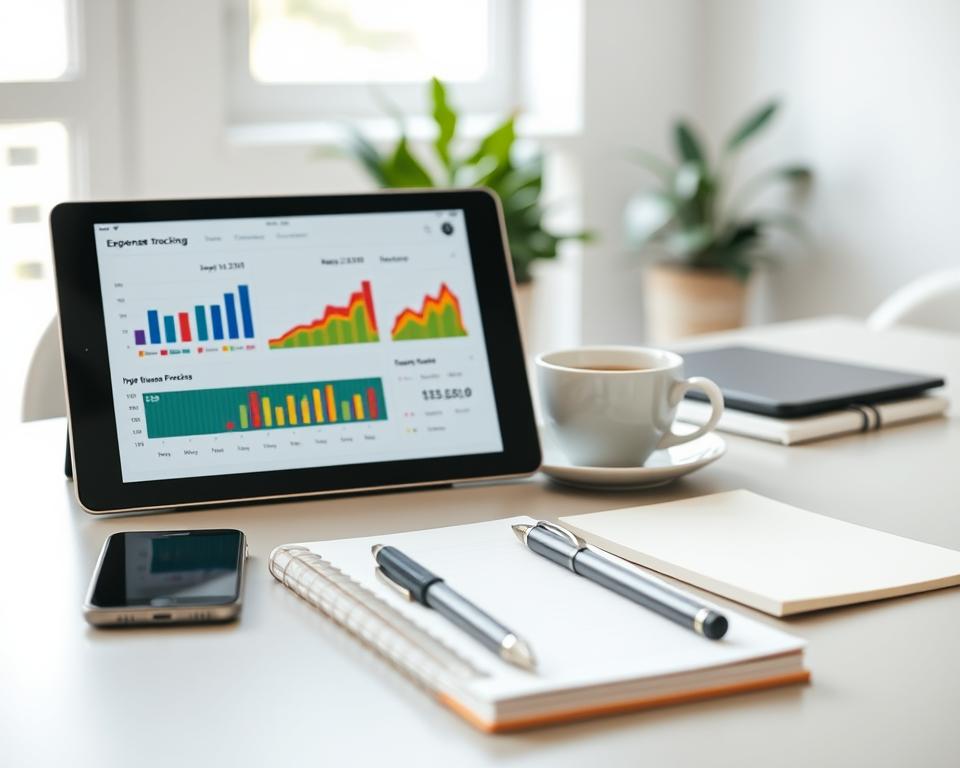
Creating a budget means knowing the difference between fixed and variable costs. Fixed costs, like rent and loan payments, stay the same each month. This makes planning easier. On the other hand, variable costs, like food and entertainment, can change. Understanding these helps you manage your money better and focus on what’s important.
Identifying Fixed vs. Variable Expenses
Begin your budget with fixed expenses since they’re the same each month. These require immediate attention. Then, look at your variable expenses. Watching these lets you find ways to save money. Having your budget planner ready helps you stay responsible and ready for future money adjustments.
Setting Financial Goals to Stay on Track
It’s key to have clear financial goals. Maybe you want to save for a trip, pay down debt, or create a safety net. Setting specific goals helps direct your budgeting. Always revisit your goals to stay inspired and tweak them if your finances change.
Adjusting Your Budget as Needed
Being flexible with your budget is crucial. Unexpected costs, like healthcare or repairs, can surprise you. By closely monitoring your spendings, you can modify your budget planner as needed. This way, you stay focused on your financial targets even when things change.
How to Record Your Expenses Effectively
Accurately recording expenses is key to managing your money well. You can track your spending daily or weekly, based on what works for you. Daily tracking lets you see where your money goes right away. Weekly tracking gives you a bigger picture to identify spending patterns. Choose the method that fits your lifestyle the best.
Daily vs. Weekly Tracking: What’s Best?
Daily tracking might be better for some because it helps you stay in touch with your money. It makes you accountable every day. But, weekly tracking gives a fuller overview and is less stressful. It lets you collect all your expenses for the week in one sitting. Pick the method you can stick with over time.
Tips for Consistency in Tracking
It’s crucial to track expenses regularly for it to work. Make time each week to go over what you’ve spent. Use reminders on your phone or calendar to help you remember. This keeps your tracking accurate and up to date.
Using Receipts to Your Advantage
Keep all your receipts as they are proof of your purchases. They show you where your money is going. Receipts can also help you adjust your budget as needed. When used with expense tracking software, it makes managing your money easier. This method gives you a full view of your finances.
The Role of Categorizing Expenses
Categorizing expenses is key to managing money well. If you use an expense tracking app or a budget tool, you can see your spending in clear groups. It helps you find where you might be spending too much.
Common Expense Categories to Consider
When setting up your budget, think about using these common expense categories:
- Housing
- Transportation
- Food
- Entertainment
- Utilities
How Categorizing Helps Identify Problem Areas
After you have your categories, watching your spending gets easier. You’ll quickly see where you’re using too much money. By focusing on these areas, you can create plans to spend less. Making changes in these parts of your budget really helps manage your money better.
Reviewing Your Expenses Monthly
Checking your expenses every month is key to handling your money well. It lets you see how well you’re sticking to your budget and make better decisions about how you spend. By looking closely, you can understand where your money goes and tweak your budget if needed.
Conducting a Monthly Expense Review
First, collect all your bills and receipts from the last month. Include information from any budgeting tools you use, like apps or spreadsheets. Your goal is to organize these expenses to spot consistent spending and unexpected costs. Analyzing these details can show you trends and help you plan your future spending better.
What to Look for in Your Monthly Summary
When you go over your monthly summary, focus on a few important things:
- Consistent Overspending: Find out where you’re spending more than you planned. This might show you need to change your budget.
- Unplanned Expenses: Watch for surprise buys or things you didn’t need, like sudden shopping sprees or subscriptions you don’t use.
- Trends Over Time: By comparing your monthly summaries, you can spot ongoing spending patterns. This helps you know where to adjust your budgeting efforts.
Making Adjustments for the Next Month
After looking at your spending, it’s time to fix your budget. Maybe move money from areas where you spent less to where you spent more. For example, if you saved on eating out but spent a lot on groceries, moving some money can balance things out.
Keeping up with your spending each month helps improve your financial situation. Regularly refining your budget is vital, ensuring you keep moving toward your financial targets.
Identifying and Curbing Overspending Habits
Knowing when you’re spending too much is key to managing money well. In today’s world where buying things is encouraged, spotting when you’re losing financial control is essential. Often, buying things on a whim shows we need better tracking of our finances. This text covers how to identify spending warnings and effective ways to avoid unplanned shopping.
Spotting Red Flags in Your Spending
- Unplanned Purchases: Regularly purchasing items not on your list means it’s time to look at your buying habits.
- Using Credit Cards Consistently: Too much credit use can lead to debt if you’re not careful.
- Emotional Spending: Shopping to feel better when stressed or sad often points to a larger issue.
Strategies to Cut Down on Impulse Purchases
- Create a shopping list and follow it strictly when you go shopping.
- Limit your spontaneous spending by watching your expenses with a financial tracking system.
- Understand and handle the emotional reasons that make you shop unnecessarily.
- Use money management tools to figure out your spending limit before buying anything.
The Psychological Benefits of Tracking Expenses
Tracking expenses each month is more than just numbers. It helps you become more aware of your finances. This can lead to better mental health. You learn where your money is going every month. This lets you make smarter choices about how you spend and save your money.
How Tracking Creates Financial Awareness
Managing your money gets better when you keep track of it. It makes you look closely at what you’re spending. By writing down what you spend, you learn about your habits. This highlights where you can do better. With this knowledge, you can change your budget to focus on what’s important. This can really change how you handle your money.
Reducing Anxiety Through Budgeting
Money worries can make many people anxious. This often happens because they don’t know where their next dollar will come from. Tracking your expenses gives you a clear picture of your money situation. Knowing how much you can spend helps reduce worry about sudden costs. Understanding your money better makes budgeting a key tool for staying calm about finances.
Engaging the Family in Expense Tracking
Getting your family involved in tracking expenses helps everyone understand money better. Talking about money openly keeps everyone responsible. When crafting a budget together, all family members get to share their ideas and preferences, which makes the process more inclusive and respectful.
Creating a Collective Family Budget
Start by discussing finances with everyone in the family. Use a budget tool that everyone can access. This keeps track of spending and helps decide where to cut back as a team. Sharing this responsibility brings everyone together and highlights the importance of good money management.
Teaching Kids About Money Management
It’s key to start talking to kids about money early. Use a fun financial system with games or quizzes to make learning about budgeting exciting. Teaching them to set limits and save up for things they want lets them make smart money choices later on. They learn the value of money and how to spend it wisely, setting them up for a better financial future.
Long-Term Impacts of Good Expense Tracking Habits
Having good habits for tracking expenses helps build a strong financial future. By keeping track of expenses every month, people can see where their money goes. This helps them make smart choices about spending and saving, helping to grow their wealth over time.
Building Wealth Through Smart Spending
Good financial habits grow your wealth over time, like magic. Using expense tracking tools lets you see where every dollar is spent. You can save or invest more, building wealth as you go. Being smart about spending lets you invest in things that secure your financial future.
Staying Financially Prepared for the Future
Tracking your expenses each month also gets you ready for big life moments. Whether it’s buying a house or saving for your kids’ college, it helps. Discipline from tracking expenses keeps you ready for financial ups and downs, ensuring a bright financial future.