

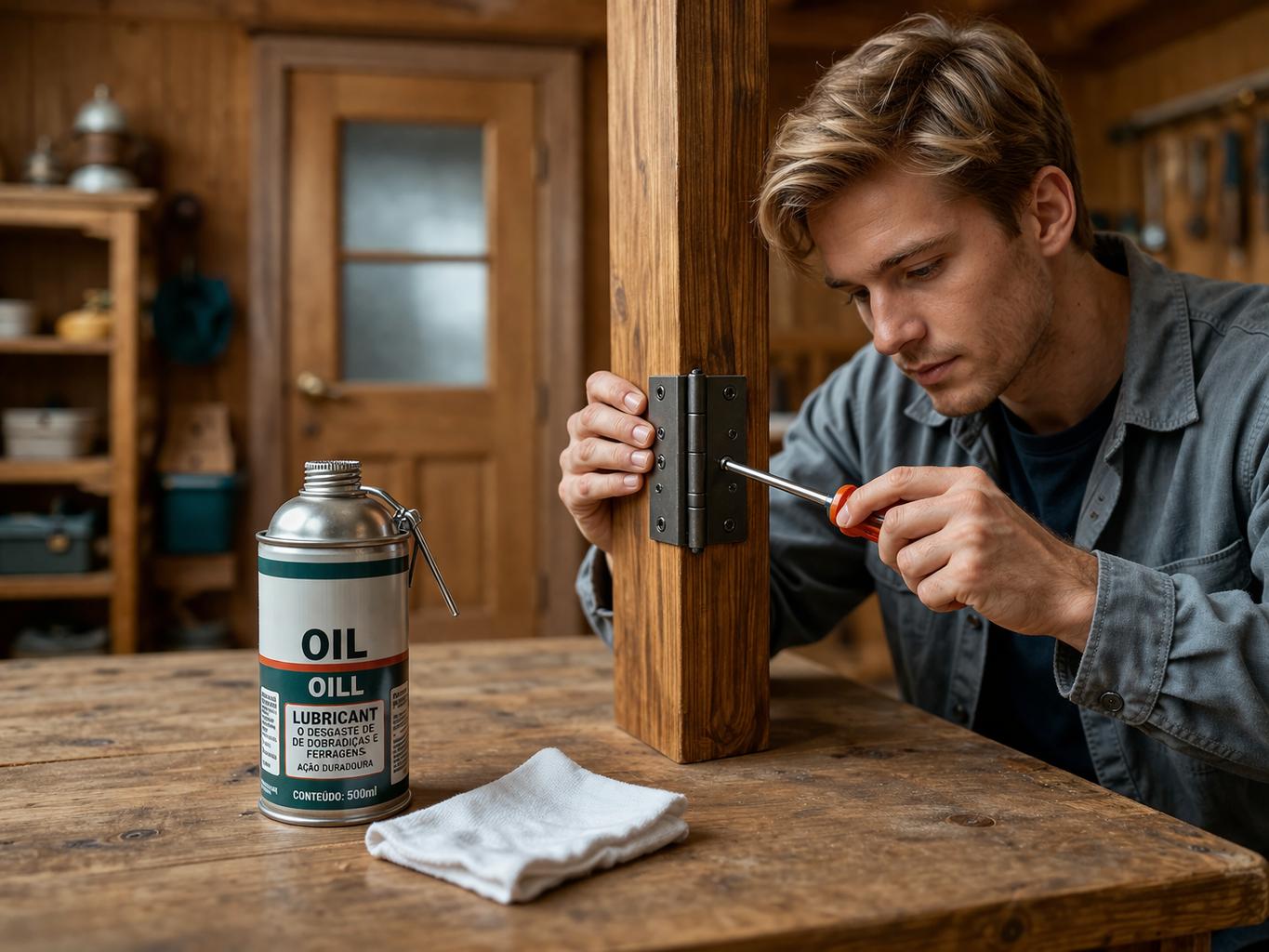
Did you know that over 70% of homeowners experience annoying door squeaks at some point? This common household nuisance can disrupt your peace. Fortunately, learning how to fix squeaky doors can be a quick and easy DIY task using everyday household tools. Not only do these squeaky door solutions improve your home’s ambiance, but they also enhance comfort by restoring quiet functionality to your doors.
In this article, we’ll explore various methods to tackle those creaky sounds, ranging from basic fixes to comprehensive repair strategies that anyone can handle!
Key Takeaways
- Over 70% of homeowners deal with squeaky doors.
- DIY solutions can resolve squeaks quickly and easily.
- Using common household tools can save you time and money.
- Regular maintenance prevents future squeaky door issues.
- Squeaky doors can impact your home’s comfort and atmosphere.
- Understanding the cause is key to effective repair.
Understanding the Causes of Squeaky Doors
Squeaky doors can be annoying, signaling deeper issues. Learning about what causes this can help fix it quick. Mostly, the noise comes from metal parts in the hinges rubbing together. Poor installation or dirt buildup can also make your doors squeak.
Common Reasons for Door Noises
It’s key to know why doors make noise to stop it. Some usual reasons are:
- Worn out hinges – Hinges can dry out over time, creating noise.
- Misalignment – If a door isn’t straight, it can scrape and make noise.
- Dirt and debris – Dirt in the hinges can make the squeaking worse.
The Importance of Regular Maintenance
Keeping up with door maintenance can keep squeaks away. Oil the hinges, check their alignment, and clean them regularly. Doing this regularly avoids bigger problems and ensures doors work smoothly.
Tools You’ll Need for the Job
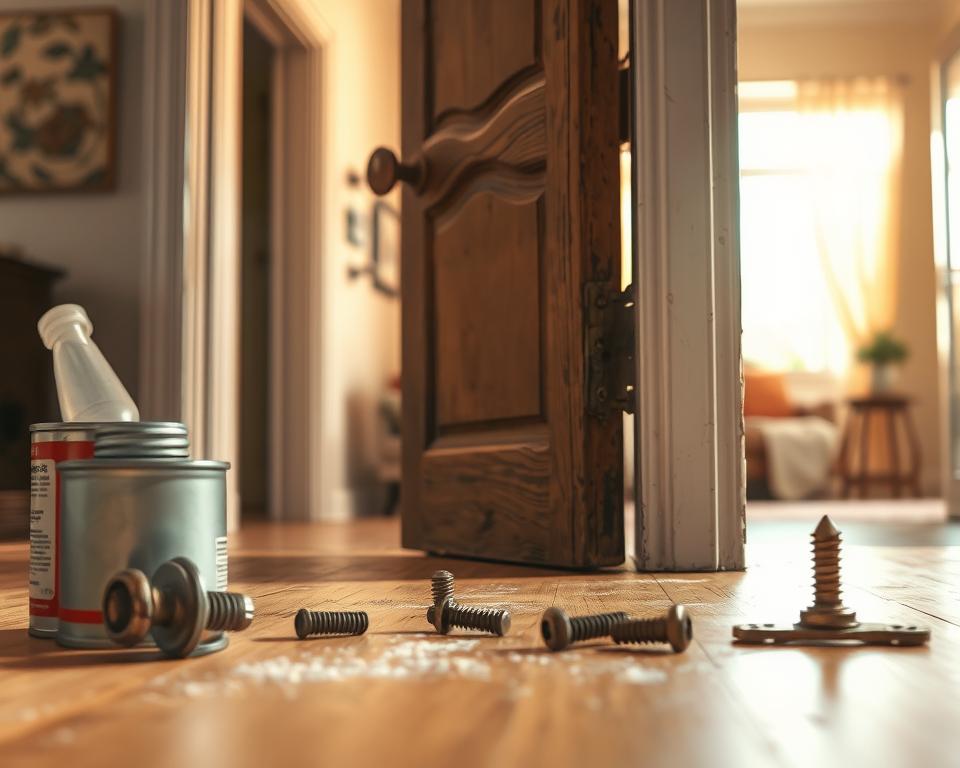
Fixing squeaky doors is easier than you think. All you need are the right tools. Having a complete toolkit can make the job faster and lead to great results. Here are some must-have tools and others that might help with tougher squeaks.
Basic Tools: What You Should Have
- Screwdriver: Essential for adjusting screws on hinges and door handles.
- Hammer: Useful for minor adjustments if the door isn’t fitting right.
- Pliers: Great for gripping and twisting parts when needed.
- Lubricant: A silicone-based or lithium grease works best for quieting noise.
Optional Tools for Stubborn Noises
If some squeaks won’t go away, consider these extra tools. They’ll add more power to your DIY toolkit for fixing doors:
- Multi-tool: Handy for a variety of tasks with its different functions.
- Steel wool: Perfect for dealing with rusty hinges and cleaning off dirt.
With these tools ready, you can handle any squeaky door issue that comes up.
Identifying the Source of the Squeak
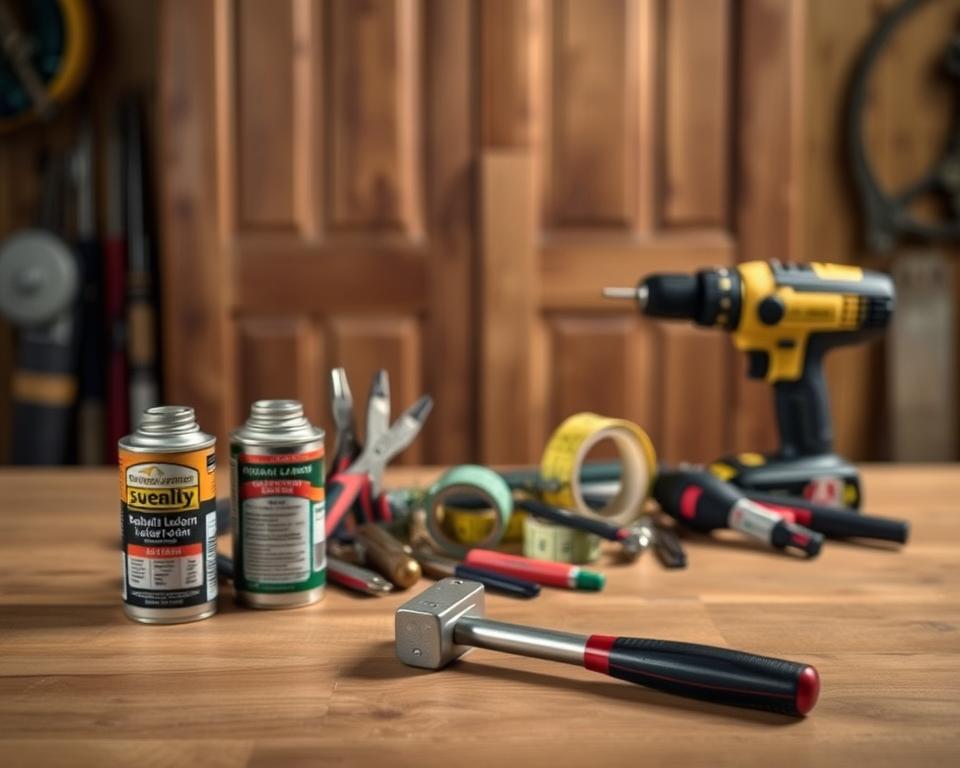
When you hear a squeak in a door, the first step is to find where it’s coming from. This means carefully checking parts of the door, like hinges and joints, to see if they’re damaged. Knowing exactly what’s causing the noise is key to fixing it.
Inspecting Hinges and Joints
Begin with a close look at the hinges and joints for any signs of wear, rust, or they’re not lined up right. Most times, squeaks start here. If the hinges creak, they might be dry or not adjusted correctly. Make sure the hinges are in line and tightly attached to the door and frame.
Testing the Door Movement
After checking the hinges and joints, it’s time to see how the door moves. Slowly open and close the door, listening for any squeaks. Notice if the sound is coming from the hinges or other parts, like the frame. This helps pinpoint the problem, making it easier to solve.
Lubrication: The Simple Solution
Fixing squeaky doors often starts with lubrication. The right products can stop the creaks and make door parts last longer. It’s important to choose the best lubricants for the job. Let’s explore popular options and the correct way to use them.
Choosing the Right Lubricant
Some top choices for lubricating door hinges are:
| Lubricant Type | Advantages | Disadvantages |
|---|---|---|
| White Lithium Grease | Long-lasting, effective against rust | May be messy if over-applied |
| WD-40 | Quick penetration, removes dirt and grime | Not a long-term solution |
| Silicone Spray | Water-resistant, suitable for various materials | Can attract dust if overused |
| Cooking Oil | Easy access, a common household item | Not recommended for long-term use as it can become sticky |
| Petroleum Jelly | Thick consistency prevents evaporation | Sticky residue might accumulate |
How to Apply Lubricant Properly
Here are the steps for effective lubrication of door hinges:
- Clean the area around the hinges to remove any dirt or debris.
- Apply a small amount of the chosen lubricant directly on the hinge pin and moving parts.
- Open and close the door several times to distribute the lubricant evenly.
- Wipe away any excess lubricant to prevent messiness.
Common Mistakes to Avoid
For successful door lubrication, remember to avoid these errors:
- Applying too much lubricant can create a mess and cause the lubricant to attract dirt.
- Using inappropriate products, like motor oil, which can degrade materials over time.
- Neglecting to clean the hinges before applying lubricant, which may trap dirt and grime.
Proper door lubrication can greatly improve how quietly and smoothly your doors work. Keeping up with regular care stops those annoying squeaks. It keeps doors working well.
Tightening Screws and Hinges
The way your door works heavily relies on the security of its hardware. Loose screws are an easy-to-miss issue that can make hinges unstable. It’s very important to regularly tighten these screws. This helps keep your door working smoothly and quietly.
Tools Needed for Tightening
- Screwdriver (flathead and Phillips)
- Power drill
- Replacement screws (if needed)
- Flashlight (for better visibility)
Step-by-Step Screwing Technique
- Inspect the hinges: Look closely at the hinges to find any that are loose. Focus particularly on the screws that hold the hinges.
- Tighten door screws: With the right screwdriver or drill, tighten each screw carefully. Be careful not to strip the screw hole by tightening too much.
- Check alignment: Open and close the door to see if it moves smoothly after tightening. Fixed hinges should not make any squeaking noise.
- Fixing loose hinges: If any hinge is still loose, think about changing the screws or using longer ones for a better hold.
Using a Silicone Spray for Extra Protection
When it comes to maintaining squeaky doors, a silicone spray can work wonders. It is a top choice for many because of its long-lasting protection. Unlike other lubes, silicone doesn’t attract dirt and grime.
Why Silicone Works Wonders
Silicone lubricant has a special formula that guards against moisture. It’s perfect for keeping doors in great shape, even in places with changing weather or humidity. Silicone stops dust and debris from sticking, keeping things smooth. It also doesn’t break down in heat, unlike other oils that might evaporate.
Using silicone spray makes hinges and joints last longer.
Application Tips for Best Results
To get the best use out of your silicone spray, follow these easy steps:
- Start with a clean surface; remove any excess dirt or old lubricant from the door hinges.
- Shake the silicone spray canister well before use to ensure proper mixing of the ingredients.
- Hold the can about six inches away from the target area.
- Spray directly into the hinges and any other moving parts to let the lubricant soak in.
- Open and close the door a few times to spread the silicone evenly.
Regularly using silicone spray will greatly improve door function for many years.
| Property | Silicone Spray | Traditional Lubricants |
|---|---|---|
| Longevity | High | Medium |
| Resistance to Dust | Very High | Low |
| Application Ease | Easy | Medium |
| Temperature Stability | Excellent | Poor |
Dealing with Squeaks from the Frame
Squeaks aren’t just from hinges; they also come from the doorframe not lining up right. When your door doesn’t close well or makes noise, it could be because it’s not aligned properly. Knowing how to spot misalignment is key to fixing door sounds and making it work better.
Checking for Misalignment
First, see how the door sits in its frame. If one side or the top has a big gap, it’s a sign of alignment issues. Shut the door slowly and watch for gaps or if it scrapes the frame, mainly where it latches. This usually means it’s time to adjust it.
Adjusting the Doorframe
If your door doesn’t line up right, you’ll need to make some changes. Here’s how:
- Check if the door is straight with a level.
- Loosen the hinge screws a bit so you can move the door.
- Put thin cardboard or wood pieces behind the hinges to adjust the door’s position.
- After adjustments, tighten the screws well.
Fixing the alignment not only makes the door work better but also less noisy. It leads to a smoother closing and nicer living space.
Maintaining Your Doors for Longevity
Setting up a good door maintenance routine is key to your home’s comfort and how it works. Being proactive keeps doors from squeaking and makes them last longer. By regularly checking and maintaining your doors, they will work smoothly.
Routine Checks to Prevent Future Squeaks
It’s important to check your doors often to spot problems early. Here’s what to do:
- Visually checking hinges and joints for rust or wear.
- Listening for unusual noises during door operation.
- Ensuring door alignment with the frame is correct.
How Often Should You Lubricate?
Lubricating your door parts on a schedule is important. Try to do it every six months, or more if your doors are used a lot. This helps avoid squeaky doors and keeps them working well for longer.
When to Call a Professional
Sometimes DIY methods just aren’t enough when it comes to repairs. It’s important to know when to get a handyman. You should look out for clues that your door needs fixing. Signs include non-stop squeaking and movement, or damage to its structure or frame. If you’ve tried using lubricant or tightening screws and it didn’t work, getting professional help is a smart move.
Signs You Need Expert Help
There are certain signs that show you need an expert’s help. If your door keeps squeaking even after you’ve oiled it many times, or if it shows cracks or bending, these are serious signs. Also, if the door doesn’t sit right and it messes with how it works, expert advice is needed. Fixing these issues quickly can stop bigger problems and save money on repairs.
Finding a Reliable Repair Service
Choosing a repair service you can trust matters a lot. Ask people you know for suggestions, and look at online reviews to learn about a service’s track record. Make sure they know how to handle your door’s problem and ask for a clear cost estimate before they start. A little research helps you find a professional who meets your needs and gets your doors working perfectly again.