


Did you know nearly two-thirds of Americans lack a budget? This fact points out a big miss in financial planning for many. If budgeting seems hard, you’re in good company. But, crafting a budget isn’t as tough as it seems.
With the right steps and tips, you can manage your money well. A good budget guides your spending on needs, savings, and making sure you don’t spend more than you earn. This guide aims to help you understand your spending and save for what you want in the future.
Key Takeaways
- Understanding the importance of budgeting is crucial for financial stability.
- Effective budgeting allows for better tracking of spending habits.
- Setting realistic goals makes the budgeting process easier.
- Utilizing tools and apps can simplify managing your budget.
- Involving family can create a supportive budgeting environment.
- Regularly revisiting your budget helps you stay on track.
Understanding the Importance of a Budget
Creating a budget is key to managing your money. It guides you through your financial journey, balancing your income and spending. A good budget helps you reach your money goals.
It not only tracks your spending but also helps you understand your money habits. This understanding leads to smarter financial choices.
Why Everyone Needs a Budget
Anyone can gain from making a budget. It keeps your finances in check and stops you from spending too much. Seeing where every dollar goes helps save and invest better.
Knowing your spending habits leads to wiser money decisions. It opens the road to building solid financial practices.
The Benefits of Budgeting
There’s more to budgeting than just keeping tabs on your money. It boosts your savings, helps pay bills on time, and ensures financial peace. Following budgeting advice prepares you for emergencies and future plans.
Regular budgeting makes you accountable and active in managing your expenses. It pushes you to take charge of your financial life.
Common Misconceptions About Budgeting
Some think budgeting is boring or limits them too much. This view can lead to skipping it, missing a chance to better their finances. However, budgeting can be adapted to fit anyone’s lifestyle.
By choosing a straightforward budgeting plan, you can improve your financial health. This method removes the fear of budget complexity.

Setting Financial Goals: Short and Long-Term
Having clear financial goals is key to good budgeting. Knowing the difference between short-term and long-term goals helps you make a personal financial plan. This makes it easier to come up with doable strategies for financial growth and success.
Differentiating Between Goals
Short-term goals are things you aim to achieve within a year, like saving for a trip or paying off a bit of debt. Long-term goals are about bigger achievements, such as buying a house or getting ready for retirement. Having both kinds of goals keeps you driven and makes sure your financial plans stay on course.
SMART Goals Framework
The SMART framework stands for Specific, Measurable, Achievable, Relevant, and Time-bound objectives. Instead of a vague goal like “I want to save money,” a SMART goal would be “I want to save $5,000 for a house down payment in 18 months.” This method makes sure your goals fit with your big financial picture and help in managing your budget well.
Tips for Staying Motivated
Keeping up your motivation to reach financial goals is important. Using a budget spreadsheet as a visual reminder can be a strong motivation. Celebrate your small wins to keep the energy up. Talking about your goals with friends or family can build a support system that helps you stay on track towards your financial dreams.
Analyzing Your Current Financial Situation
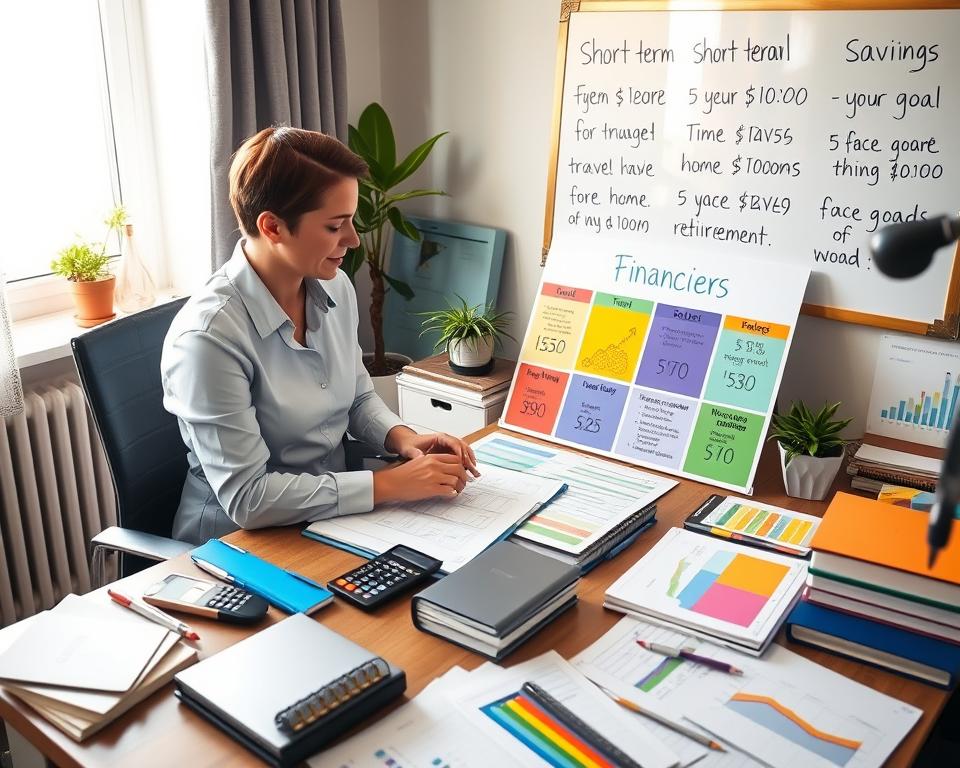
To manage your money well, you must look at your current financial state. This means checking all your income and what you spend monthly. You also need to see how you use your money. With tips on planning, you’ll see where your money is going and how to make things better.
Tracking Income Sources
Start by listing every way you make money. This includes your job, any freelance work, investments, and side jobs. Keeping an eye on all the money you make helps you know what you have each month. By managing your money smartly, you can handle money you get now and then, like bonuses or money from seasonal jobs.
Identifying Monthly Expenses
Next up, list what you spend money on each month. Split your costs into two types: fixed and changeable. Fixed costs are things like rent, insurance, and any subscriptions. Changeable costs are for food, eating out, and fun stuff. Knowing these costs helps see where you can spend less. Using budget apps makes this easier, helping adjust your budget.
Understanding Your Spending Habits
To better manage your budget, knowing how you spend is key. Look at what takes up most of your money and if it fits your goals. By checking how you spend, you can use budget tips better. This will greatly help your financial health.
Categorizing Your Expenses
For good budgeting, it’s key to know your expense categories. Organize your spending into fixed, variable, and fun expenses. This way, you’ll see where your money’s going. It also helps you use your budget tools better and control your money well.
Fixed vs. Variable Expenses
Fixed expenses don’t change month to month. Things like rent, mortgage, or insurance are steady. You can plan for these costs easily. On the other hand, variable expenses go up and down. This includes things like groceries, electric bills, and getting around. Knowing the difference helps with smart budgeting.
Discretionary Spending
Discretionary expenses are the extras, not must-haves. This includes eating out, fun activities, and hobbies. Spotting these helps you figure out needs versus wants. Keeping fun spending in check is key to saving money.
Prioritizing Essential Costs
It’s important to pay for needs first. These costs are essential for a stable life. Making them a priority lays a strong budget foundation. After essentials, you can think about variable and extra spending. This keeps your finances healthy.
Choosing a Budgeting Method That Suits You
Looking into different ways to budget can really help you plan your finances better. Each method works best for certain financial situations and personalities. It’s key to pick one that fits you well. Let’s review some popular options you could try.
The Envelope System Explained
The envelope system is when you use cash and divide it among different budget areas, using actual or digital envelopes. If an envelope empties, you stop spending in its category. This helps you stay disciplined and track your spending well. A budget tracking app can make managing digital envelopes easier.
Zero-Based Budgeting in Detail
In zero-based budgeting, you give every dollar a job until there’s none left. By the month’s end, your income minus what you’ve spent should be zero. This ensures you use all your money purposefully. It also encourages spending wisely and meeting your financial goals. There are many guides and templates to help you start zero-based budgeting easily.
Percentage-Based Budgeting
This method breaks your income into percentages for needs, wants, and savings or paying off debt. Usually, you’d use 50% for things you need, 30% for what you want, and 20% for savings or debts. It’s a flexible approach that also focuses on financial health. A budget app can support sticking to these percentages well.
Creating Your Budget
Starting to create your budget means collecting important money info and sorting out your spending. It helps to use a structured method to make a budget sheet that fits your monetary needs. Following a guide can make this process easier and less overwhelming.
Step-by-Step Guide to Budget Creation
Begin by figuring out all the ways you make money. Then, write down your monthly spending, dividing it into constant and changing costs. This helps you find a balance in your finances. Put some money into savings and leave some for fun activities. Doing this helps you handle your money better and lowers stress.
Tools and Apps for Budgeting
Using budgeting tools can really improve your budgeting. Apps like Mint, YNAB (You Need A Budget), and EveryDollar make it easy to keep a budget sheet. They let you watch your spending as it happens, helping you stick to your budget. These tools are great for anyone wanting to manage their money better.
Involving Family in the Budgeting Process
Having your family involved in budgeting helps everyone understand and share financial duties. Talk about money goals and decide together on what to spend. This unity can make family bonds stronger and keep everyone committed to the budget. Knowing what each person values money-wise makes budgeting smoother for everyone.
Adjusting Your Budget for Real-Life Changes
Life often surprises us with unexpected expenses, like medical bills or sudden car repairs. Being able to adapt is key to staying financially stable. Tips on budget planning can smooth out these rough patches. An emergency fund acts as a safety net, easing the financial strain.
How to Handle Unexpected Expenses
Unexpected costs can mess up your budget. To manage these situations, try these approaches:
- Prioritize urgent expenses.
- Use your emergency fund if you have one.
- Adjust your budget by cutting non-essential spending for a while.
Revisiting Your Budget Regularly
It’s important to check your budget often. Your life and finances change over time. Reevaluating your budget helps match your spending with current earnings and goals. Use budgeting tools to make this easier and see what’s effective.
Strategies for Staying on Track
Keeping up with your budget takes work. Here are some ideas:
- Save a bit of your income for surprises.
- Keep thinking about your financial goals to stay focused.
- Join support groups for extra motivation and tips.
Dealing with Debt and Budgeting
Handling debt wisely is key in financial planning. Finding a good debt repayment strategy can lessen financial stress. It also helps keep your budget in check. Knowing which debts to pay first can improve your financial health. It ensures you can meet your duties without falling behind.
Prioritizing Payments
Putting some debts first can greatly help your finances. Focus on high-interest ones or small debts, based on your strategy. Paying more towards high-interest debts cuts down the total you’ll spend. Experts often recommend this approach in managing money.
Snowball vs. Avalanche Methods
Two main methods for tackling debt are the snowball and avalanche methods. The snowball method has you clear smaller debts first for quick wins. The avalanche method, however, goes after high-interest debt to save you money over time. Reviewing both can show which fits your financial plans better.
Budgeting for Debt Repayment
It’s vital to include debt payments in your budget for financial health. List your monthly dues and set aside some income for tackling debt. Regular budgeting makes monitoring and adjusting easier. These steps won’t just cut down your debt but also set you up for a secure financial future.
Building an Emergency Fund While Budgeting
Having an emergency fund is key to financial health. It provides a buffer for surprises like sudden job loss or medical bills. When you add this to your budgeting strategy, you’re setting yourself up to handle whatever comes your way.
Setting a Savings Goal
It’s crucial to have a clear savings goal. First, figure out the amount you need for your emergency stash. Experts often recommend saving enough to cover three to six months of expenses. This goal helps ensure you’re secure, both now and in the future.
How Much to Save Annually
Plan your yearly savings to make things easier. Divide your emergency fund goal by 12 to find a monthly saving amount. Say you’re aiming for $6,000. Then, you’d save $500 monthly. This plan helps grow your fund steadily while encouraging good savings habits.
Best Traditional and Online Savings Accounts
Finding the right savings account can help your emergency fund grow. Search for accounts with high interest rates. Online banks often offer better rates because they have lower costs. Just make sure you can easily get to your money when needed. Focus on accounts that help your savings expand.
| Account Type | Typical Interest Rate | Access to Funds | Best For |
|---|---|---|---|
| Traditional Savings Account | 0.01% – 0.10% | Easy | General Savings |
| High-Yield Online Savings Account | 0.40% – 1.00% | Easy | Emergency Fund Growth |
| Money Market Account | 0.05% – 0.80% | Moderate | Paring with Checking Account |
Focus on why an emergency fund matters for your finance journey. By wisely applying budget tips, setting clear savings goals, and picking the best accounts, you’ll be well-equipped for unexpected events.
Reviewing and Adjusting Your Financial Goals
Checking your financial goals regularly is key to good budgeting. These checks, done quarterly or yearly, help you stay on track with your money plans. They make sure your budget fits your needs.
By looking at your goals again, you can adjust to any new financial situations. This gives you a chance to grow and get better with your finances.
Quarterly vs. Annual Reviews
Reviewing every quarter lets you tweak things often, based on short-term changes. It helps you keep an eye on your spending and income. When you look at things once a year, you get a big picture of your long-term goals and financial health.
Some people might prefer checking in more often, while others like a yearly review. Both ways are good, depending on what works for you.
Recognizing Achievements
Celebrating your wins is important. It encourages you to keep going. When you see how far you’ve come, it motivates you even more.
This practice makes you feel good about your efforts. It keeps you focused on reaching your next financial goals.
Planning for Future Financial Needs
As your life changes, so do your financial needs. It’s important to plan for things like retiring, paying for school, or unexpected bills. Budgeting helps you get ready for these changes.
This way, you can ensure a stable financial future for yourself and your family.
Tips for Maintaining Budget Discipline
Keeping your budget in check can be tough, especially when tempting or unexpected costs pop up. It’s key to know what makes you overspend. Start by looking at your spending habits. Pinpoint situations or feelings that make you buy things unexpectedly. Knowing these triggers helps you find ways to avoid or deal with them. This keeps you on track towards your financial goals.
Having a good support network is also crucial for budgeting. This could include family, friends, or a finance group online. Having people who get your money situation can really boost your motivation. Talking about your budgeting ups and downs makes you more likely to stick to it. If you’re feeling off track, reaching out to your support group can offer the encouragement you need.
Lastly, celebrating the small successes is very important. Recognizing even the smallest wins boosts your mood and keeps you positive about budgeting. Every goal you meet gets you one step closer to your big financial dreams. It makes the process more fulfilling. Remember, knowing your spending triggers, having support, and celebrating your progress are key to staying disciplined and financially secure.