

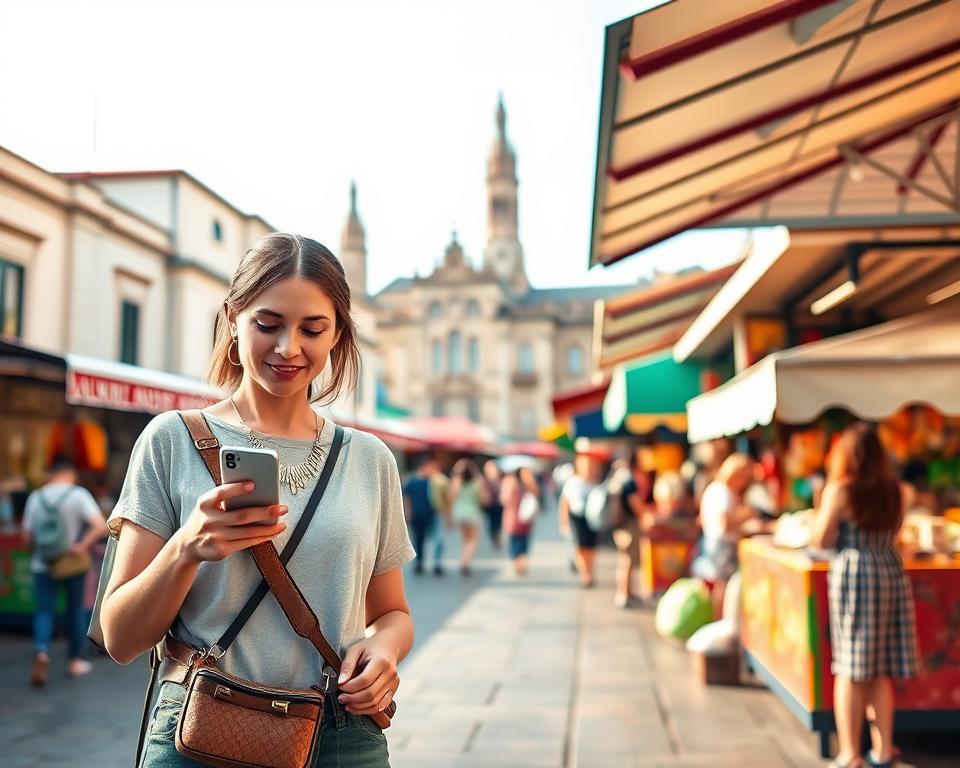
Did you know over 30% of solo travelers feel anxious about personal safety when exploring new places? This fact shows that solo travel safety is crucial for a great adventure. It’s exciting to navigate unknown territories, but it can be challenging.
By adopting safety habits, you can become more confident and enjoy solo travel more. This means understanding risks and using tips and precautions that help you feel empowered. Read this guide for vital safety tips for solo trips, and start traveling alone with more peace of mind.
Key Takeaways
- Understanding the common safety challenges solo travelers face is crucial.
- Preparation plays a vital role in minimizing risks while traveling alone.
- Smart packing can enhance your personal safety during trips.
- Choosing the right accommodations can significantly impact your security.
- Staying aware of your surroundings is essential for safe solo exploration.
- Developing trust within local communities can improve your travel experience.
- Utilizing technology effectively can enhance your solo travel safety.
Understanding Solo Travel Safety Risks
Going solo on a travel adventure is exciting but comes with unique safety challenges. Knowing these risks makes traveling smoother. Learning about common issues helps travelers prepare better strategies to stay safe.
Common safety challenges solo travelers face
Solo travel brings several safety issues to pay attention to. Key concerns include:
- Theft: Whether through pickpocketing or scams, theft remains a significant concern.
- Getting lost: Navigating unfamiliar cities can lead to disorientation and confusion.
- Cultural misunderstandings: Different norms may lead to unintentional faux pas and risky situations.
Myths about solo travel dangers
There is often wrong information that makes solo travel seem scarier than it is. Some common myths that cause worry include:
- Solo travelers are always in danger: In many places, locals are actually friendly and welcoming.
- Only tourists face risks: While tourists may have certain challenges, locals often face similar ones.
- Traveling alone guarantees loneliness: Many solo travelers find new friends on their journey.
Recognizing the importance of preparation
Getting ready for solo travel is key to staying safe. Researching local customs helps avoid misunderstandings. Knowing about scams and health tips can also make the trip less stressful. With good preparation, solo travelers can face safety risks with confidence and enjoy their travel.

Essential Packing Tips for Safety
Packing is more than just filling a suitcase. It plays a big role in making your trip safe and fun. By choosing smart gadgets, picking the right clothes, and using safe ways to store things, you can be organized and secure anywhere you go.
Smart gadgets to keep you connected
Smart gadgets are great for staying in touch and staying safe. Having a portable charger means your phone won’t die when you need it most, like in emergencies or while finding your way around. Using personal safety alarms and location tracking apps gives an extra safety layer. These tech items keep you alert and offer peace of mind.
Clothing choices that enhance safety
Choosing what to wear is key for your safety on a trip. Clothes with secret pockets are great for keeping important stuff like money and passports out of sight. Also, anti-theft bags and clothes designed for travelers protect you from theft. When you wear comfortable and safe outfits, you feel more confident and relaxed while exploring.
Travel documents and secure storage methods
Keeping your travel papers in order is super important. Use a money belt or a hidden pouch for important documents like your passport and tickets. This way, you avoid losing them or getting them stolen. A tidy travel document wallet makes it easier to find what you need on the go. Safe storage for your documents can really reduce your worries, making your trip more enjoyable.
Choosing Safe Accommodations
Traveling alone? Picking the right place to stay is super important. There are a lot of things to think about to feel safe and comfy. Different places have their own perks, so choose wisely.
Factors to consider when booking
First, check out where you’ll be staying. Go for well-lit areas with people around and easy access to buses and trains. Reading what others say about safety helps a lot. Important safety must-haves include locks and safes for your stuff.
Benefits of hostels vs. hotels
The hostel or hotel debate is common. Hostels are cheaper and fun for meeting people but might not be as private or secure. Hotels, on the other hand, offer more safety features like 24/7 front desks and cameras, which might make you feel safer.
Safety features to look for
When picking a place, safety should be top of mind. Keep an eye out for:
- 24-hour reception for help anytime
- Cameras in key spots
- Secure spots for your things
Thinking about these things means you can have a safe and awesome adventure alone.
Navigating New Destinations
Exploring new places is super exciting but comes with challenges. Knowing local transport and safe walking is key for a great time. Learning about local customs makes your trip safer and more enjoyable.
Using local transportation with caution
Here are some tips for using public transport safely:
- Research transportation options like buses, trains, or trams ahead of time.
- Choose well-lit, busy areas when waiting for transport.
- Keep your things secure and close to avoid losing them.
Best practices for exploring on foot
Staying safe while walking in new places is crucial. Remember these tips:
- Be alert and watchful of your surroundings.
- Dress like the locals and avoid flashy stuff to blend in.
- Use a map or an app carefully so you don’t look like a tourist.
Understanding local customs and regulations
Getting to know local customs can make your trip better and safer. Don’t forget to:
- Learn about cultural norms, like how to say hello and manners at dinner.
- Know the laws, which might be different from back home.
- Join in on local traditions to make friends and learn more.
Staying Aware of Your Surroundings
When you travel alone, staying aware keeps you safe. You should always look around, know the dangers, and be ready for emergencies. Learning how to stay alert and see signs of trouble helps you react quickly to the unexpected.
Techniques to enhance your situational awareness
Here are some ways to be more aware:
- Avoid distractions: Don’t let phones take your attention. Stay aware.
- Regularly scan your surroundings: Keep watching for anything strange around you.
- Trust your instincts: If something seems wrong, leave that place immediately.
- Stay informed: Know the safe spots and dangers of where you’re at.
Signs of trouble to watch for
Knowing what danger looks like helps you stay out of it. Look for these signs:
- Aggressive behavior: Stay away from anyone acting hostile or strange.
- Suspicious individuals: Be cautious of people who don’t fit in or watch you.
- Unusual gatherings: Groups looking tense might mean trouble is brewing.
Developing a “safety plan” for emergencies
Have a plan ready for emergencies. A good plan includes:
- Emergency contacts: Know who to call when in trouble.
- Local resources: Be aware of where hospitals and police are.
- Emergency response strategies: Have a plan for if you get lost or harassed.
Building Trust in Local Communities
Connecting with local communities makes solo travel safer and more enriching. Start by finding locals who know their area well. They can share tips and insights, opening doors to better experiences.
How to find reliable local contacts
Finding local contacts is key in new places. Here’s how:
- Seek recommendations from trusted sources or fellow travelers.
- Utilize social media groups or forums specific to solo travelers.
- Stay in accommodations that offer local guide services or tips.
These contacts boost your safety and make your trip more genuine.
Engaging with fellow travelers for safety tips
Engaging with other travelers boosts safety. Sharing insights offers valuable safety tips. Here’s how to connect with them:
- Join group tours to meet others and share experiences.
- Participate in interactive activities, like cooking classes or cultural events.
- Exchange contact info with travelers for future meet-ups.
This networking offers a wealth of shared knowledge and tips.
Respecting local cultures for improved safety
Respecting local cultures is crucial for safety. Adapting to local norms wins goodwill, improving your security. Follow these tips:
- Learn simple phrases in the local language to connect.
- Dress according to local practices.
- Be mindful of cultural sensitivities and traditions.
Respecting cultures not only builds trust but also deepens your global appreciation.
Utilizing Technology to Stay Safe
Embracing tech makes solo travel safer. Many essential safety apps are available. They keep you safe and informed while exploring.
Safety apps every solo traveler should download
Essential safety apps are crucial for solo travelers. Apps like bSafe provide location tracking and emergency alerts. Life360 lets your family track your location, adding an extra layer of safety on your journey. Installing these apps offers peace of mind in unknown places.
Navigation tools for securing your route
Knowing your way boosts confidence and safety. Google Maps gives real-time directions, while Maps.me offers offline maps. These tools help you stay confident and oriented in new cities.
Keeping your information protected online
Protecting your information online is key. Public Wi-Fi is often unsafe for your data. A VPN keeps your browsing secure from threats. Adding security software to your devices provides extra safety, making your trip enjoyable and carefree.
Emergency Preparedness for Solo Travelers
Being prepared for emergencies makes solo travel safer. Every traveler needs a solid emergency plan. Packing essential items can be a lifesaver. Being ready means you can enjoy your journey, knowing you can handle any situation.
Essential items for your emergency kit
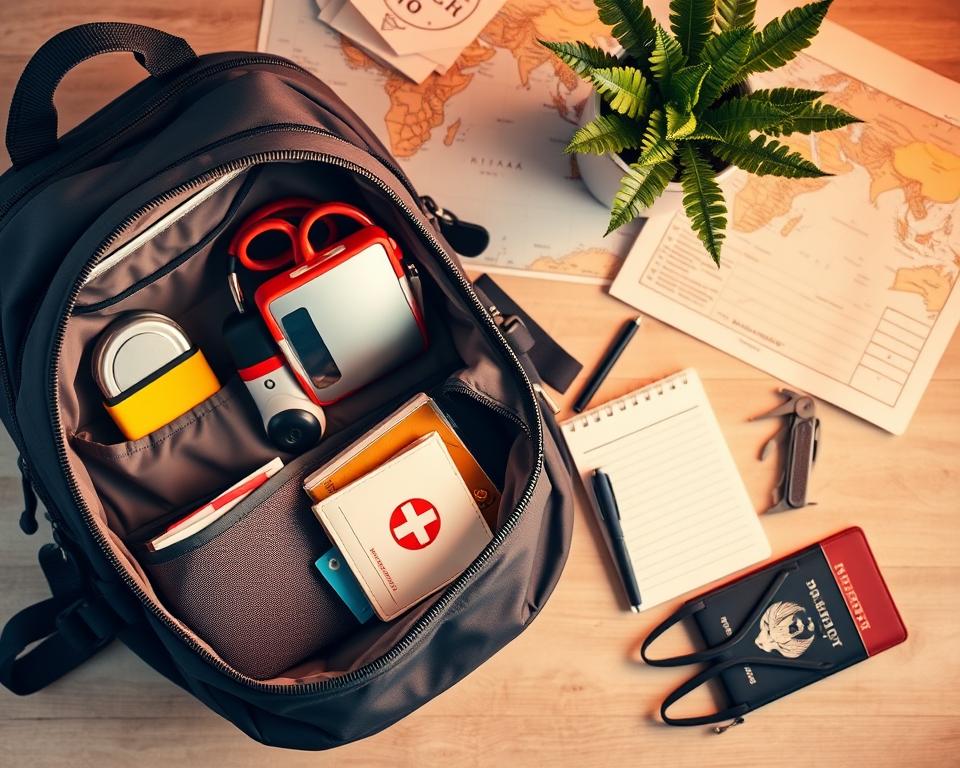
Your emergency kit needs to have items for unexpected events. Key items to include are:
- First aid kit: Essential for treating minor injuries.
- Spare cash: Useful when electronics fail or credit cards are lost.
- Copies of important documents: Keep both physical and digital copies to avoid losing the originals.
- Emergency whistle: A useful tool for signaling in case of danger.
How to create a communication plan
Effective communication is key for solo travelers. Your plan should include ways to stay in touch with loved ones and reach local emergency services. Here’s what you can do:
- Share your itinerary with a trusted person.
- Set regular check-in times using messaging apps or calls.
- Know local emergency numbers for contacting authorities.
Contacting local authorities if needed
Knowing how to reach local authorities quickly is important. Make sure you know the following:
- Emergency service numbers for police, fire, and medical help.
- Location of nearby embassies or consulates for international help.
- Procedures for reporting lost items or incidents in the local area.
Developing Confidence as a Solo Traveler
Starting your solo travel journey begins with the right mindset. Your attitude greatly influences your experiences. By staying positive, you can face challenges confidently, making your trips more fun and rewarding.
To beat travel fears, work on small goals. You might chat with someone local or figure out the bus schedule. Each success builds your confidence and helps you feel in control. Beating fear is key for a great solo trip.
Also, celebrate every small win. These moments boost your confidence and belief in yourself. Every small step helps you get ready for solo travel. It makes your journey better.